
Site Loader

Advancements in Imaging Technology: A Comprehensive Overview

Introduction to Imaging Technology

Imaging technology has rapidly evolved over the past few decades, playing a crucial role in various fields such as medicine, entertainment, and industrial applications. With advancements ranging from digital photography to sophisticated 3D imaging systems, the landscape of how we capture and analyze images is continually changing. One of the groundbreaking innovations in this domain is the 3D camera, which allows for the capture of images that provide depth and a lifelike perspective, enhancing experiences in virtual reality, gaming, and beyond.

Digital Cameras: From Analog to High Definition

The journey of imaging technology began with analog cameras that utilized film. As digital technology emerged, these cameras developed into high-definition devices that offer superior resolution and dynamic range. Modern digital cameras often feature large sensors, advanced auto-focus mechanisms, and various built-in editing tools. This evolution has democratized the art of photography, making it accessible to amateurs and professionals alike.

The Rise of 3D Imaging

3D imaging technology has revolutionized the way we perceive visual content. Traditional photography captures images in two dimensions, but 3D imaging provides depth, making it more immersive. The advent of the 3D camera has further propelled this innovation, allowing users to capture scenes in a more realistic manner. These cameras employ various techniques such as stereoscopy, depth sensors, or multiple lenses to create a three-dimensional effect.

Applications of Advanced Imaging Technologies

  • Medical Imaging: Technologies such as MRI, CT scans, and ultrasound utilize advanced imaging to provide detailed insights into the human body. Innovations in imaging technology have greatly improved diagnosis and treatment options.
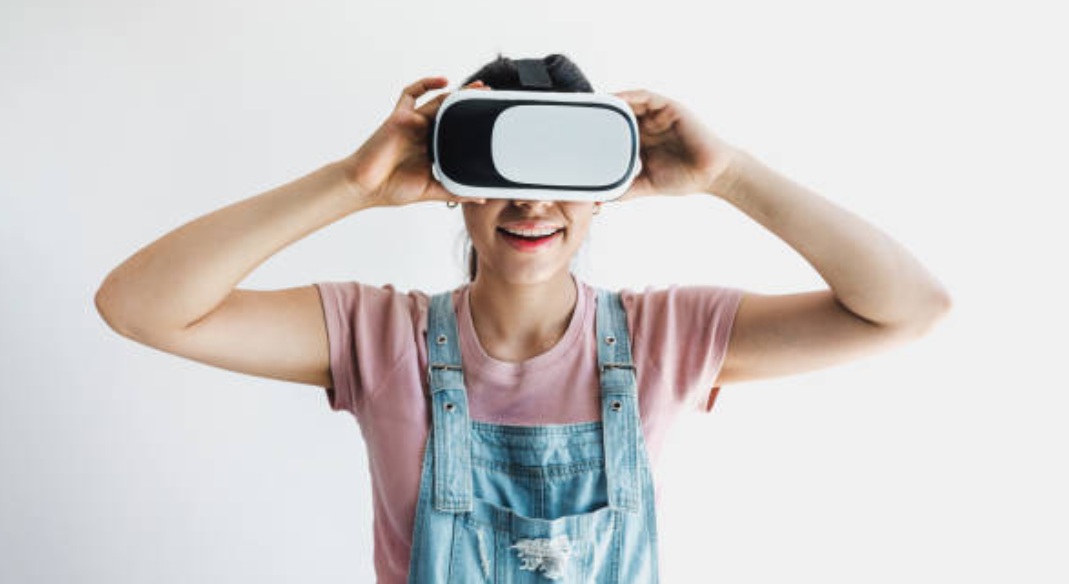
  • Entertainment and Virtual Reality: The film industry and gaming have significantly benefited from 3D imaging. 3D cameras create lifelike animations and visuals, allowing for immersive experiences that engage the audience.
  • Industrial and Security Uses: Imaging technologies are integral to inspection processes in manufacturing, as well as in security surveillance systems, enhancing capabilities for monitoring and maintenance.

Future Trends in Imaging Technology

As technology continues to advance, we are likely to see further innovations in imaging methods. Several emerging trends are worth noting:

  1. AI Integration: Artificial intelligence is increasingly playing a role in image processing, enabling better image recognition, predictive analytics, and automated editing.
  2. Hyper-Realistic Visuals: The push for even more realistic imagery is leading to the development of technology that combines multiple viewing angles and high dynamic ranges.
  3. Wearable Cameras: Devices such as smart glasses with integrated imaging capabilities are on the rise, providing users with hands-free picture-taking experiences.

Challenges in Imaging Technology

Despite the numerous advancements, challenges persist in imaging technology. Issues such as data management, privacy concerns with imaging devices, and the high cost of some advanced equipment can hinder widespread adoption. Additionally, as imaging technologies such as the 3D camera become more prolific, ensuring quality and accuracy in captured images is essential to maximize their potential.

Exploring the Impact of Imaging on Society

The influence of advancements in imaging technology extends far beyond just visual representation; it touches every aspect of our lives. From enhancing educational experiences to enabling artists to express their creativity in new ways, the impact is profound. As technology progresses, these innovations will continue to shape how we connect with the world around us, making it increasingly important to stay informed about the latest developments.

Navigating the Future of Imaging

As we look to the future, the journey of imaging technology will invariably involve a blend of innovation, creativity, and ethical considerations. Understanding the many facets of advancements in this field, from the capabilities of a 3D camera to the implications of AI-driven imaging, is essential for fostering informed exploration and usage.
Exploring the Role of Drones in Enhancing Security Measures

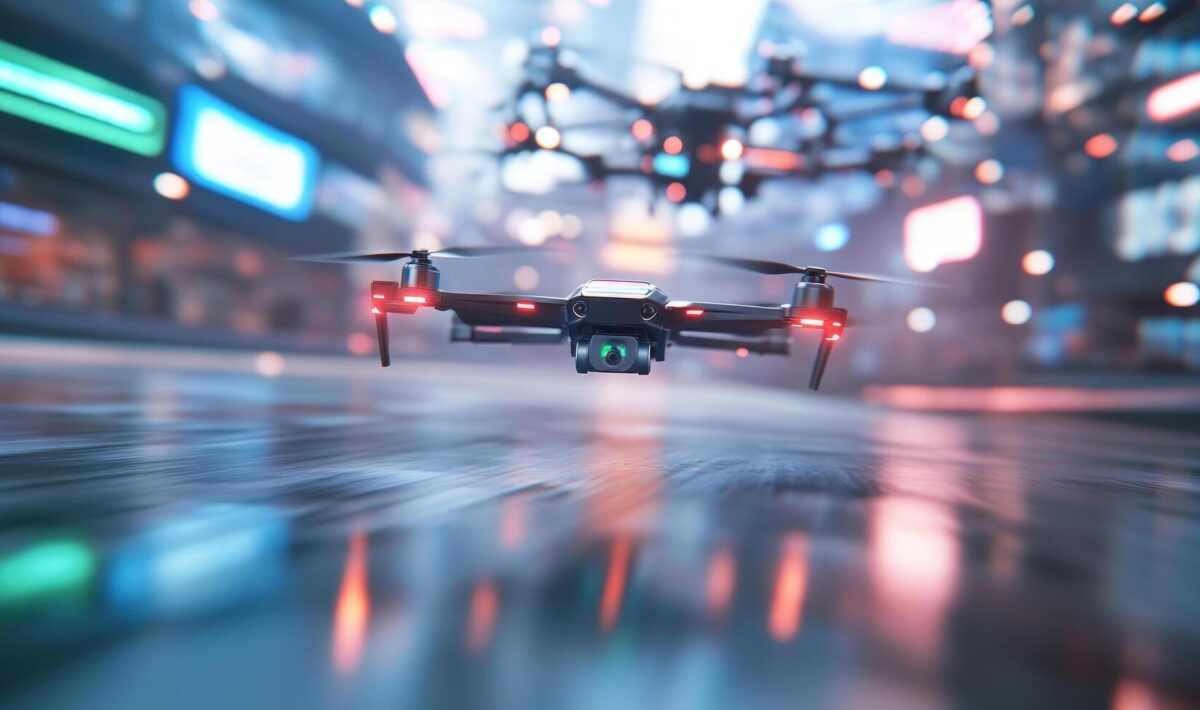
In recent years, drones have emerged as innovative tools transforming various industries, particularly in enhancing security measures. Their capabilities to provide real-time surveillance and data collection are being increasingly recognized by security agencies, businesses, and governments worldwide. Companies like Acecore Technologies, featured on www.acecoretechnologies.com, are at the forefront of this technological advancement, offering a range of drones specifically designed for security applications. This article delves into how drones are being used to improve safety and security across different sectors.

The Evolution of Drone Technology

Initially used for military operations, drone technology has evolved rapidly, broadening its scope and potential applications. The miniaturization of equipment, enhanced battery life, and advancements in camera technology have made drones more accessible and effective. Modern drones can carry high-definition cameras, thermal imaging, and even artificial intelligence (AI) capabilities, which help them analyze data in real-time. These advancements have transcended military use, finding vital applications in various fields, particularly in security.

Drones in Law Enforcement

One of the most significant applications of drones is within law enforcement agencies. Drones can provide a bird’s eye view of situations, allowing officers to assess risks without putting themselves in harm’s way. They have proven invaluable in:

  • Crime scene investigation: Drones can capture detailed aerial images, improving scene reconstruction and evidence collection.
  • Search and rescue operations: Drones can cover vast areas quickly, helping locate missing persons or individuals in distress.
  • Crowd monitoring: During large public events, drones can be used to monitor crowds, ensuring the safety and security of attendees.

These capabilities not only enhance operational effectiveness but also help enforce the law more strategically and safely.

Drones for Property and Business Security

Businesses are increasingly turning to drones as a means of enhancing security for their properties. Security patrols can be erratic and costly, but drones offer a cost-effective and efficient alternative. They can be deployed for:

  1. Routine surveillance: Drones can regularly scan large properties, detecting unauthorized access or unusual activities.
  2. Asset monitoring: Businesses can use drones to keep an eye on valuable assets, reducing the risk of theft or vandalism.
  3. Incident response: In the event of an incident, drones can be quickly dispatched to provide real-time information, allowing security teams to respond adequately.

Using drones for these purposes not only enhances security but also deters potential criminals aware of active surveillance.

The Role of Drones in Disaster Response

Drones also play a pivotal role in disaster response and management. Their ability to reach areas that are challenging for traditional vehicles makes them indispensable during emergencies. Key applications include:

  • Damage assessment: After a natural disaster, drones can survey affected areas to provide real-time data on damage and casualties.
  • Delivery of supplies: Drones can carry essential supplies like food, medicine, and water to isolated locations.
  • Search operations: In disaster zones, drones can assist in locating trapped individuals or survey hazardous areas to ensure safety before rescue teams are deployed.

Challenges and Ethical Considerations

While the benefits of drones in enhancing security measures are evident, their use also raises important ethical and privacy concerns. Issues such as data protection, surveillance overreach, and potential misuse by unauthorized individuals must be carefully managed. Policies and regulations need to be developed to ensure that drone usage is both effective and respectful of privacy rights.

A Sky Full of Promise

The potential for drones to enhance security measures is only beginning to be tapped. As technology continues to evolve, it is likely that we will see even more innovative applications that will change the landscape of security across diverse sectors. By embracing drone technology while navigating its challenges, society can move towards a safer and more secure future.

Understanding the Capabilities of UV Cameras in Inspection Processes

In the world of industrial and quality inspections, UV cameras have literally revolutionized the way we detect and analyze phenomena invisible to the naked eye. These specialized cameras extend the inspection capabilities across various sectors by capturing ultraviolet light. Whether in leak detection, electrical inspections, or forensic analysis, UV cameras have become an indispensable tool. Clients who have procured uv cameras bought at VA-imaging have reported significant improvements in accuracy and efficiency.

The Science Behind UV Cameras

UV cameras operate by detecting ultraviolet radiation, which is a type of light energy not visible to the human eye. There are three categories of UV light: UVA, UVB, and UVC. Each type has different applications based on wavelength. UV cameras typically focus on the UVA range, known for its penetration capacity and safety for typical industrial environments. By visualizing UV light, these cameras aid in identifying anomalies such as leaks and cracks, which could be detrimental if left undetected.

Applications Across Industries

UV cameras are embraced across various industries, each leveraging the unique capabilities of these devices for specific needs:

  • Electrical Inspections: UV cameras help in identifying corona discharges and arcing in electrical equipment, preventing potential failures and facilitating preventive maintenance.
  • Automotive Leak Detection: These cameras are used to detect leaks in automotive systems by visualizing UV dye emitted from the fluid systems.
  • Forensic Investigations: In law enforcement, UV cameras are deployed to uncover evidence such as bodily fluids, altered documents, and latent fingerprint residues.
  • Art and Artifact Examination: The cameras reveal underlying layers and restorations in paintings, as well as authenticate ancient artifacts.

The Advantages of Using UV Cameras

Utilizing UV cameras offers numerous advantages that enhance the inspection process:

  1. Non-Destructive Testing: Inspections conducted with UV cameras do not require physical alterations or contact, preserving the integrity of the inspected materials.
  2. Early Problem Detection: Identifying issues before they surface allows for timely interventions, reducing downtime and repair costs.
  3. Versatility and Accuracy: These cameras provide precise visualization in both small-scale and large-scale operations, accommodating various inspection demands with accuracy.

Choosing the Right UV Camera

Finding the perfect UV camera requires an understanding of the specific needs of your inspection process. Different devices offer varied features such as resolution sensitivity, and range. Evaluating your requirements ensures that you choose a camera that optimizes performance and satisfies operational demands. One trusted source for a diverse array of UV cameras is va-imaging.com, where a spectrum of options is available for professionals across sectors.

A New Dimension in Vision

The proliferation of UV cameras in inspection processes marks a significant evolution in our capability to perceive and rectify underlying issues with remarkable precision. Industries worldwide have capitalized on this technology to not only enhance safety and quality but also streamline operations. As technology continues to advance, the potential for UV cameras in inspection processes expands, promising even more innovative applications in the future. In moving towards a world where quality assurance is at the forefront, embracing the enhancements offered by UV cameras literally opens a new dimension in vision and operational excellence.

Connect With Us

Calendar

August 2026
M T W T F S S
 12
3456789
10111213141516
17181920212223
24252627282930
31  
Pinterest
LinkedIn
Share
Instagram