
Advancements in Imaging Technology: A Comprehensive Overview
Introduction to Imaging Technology
Imaging technology has rapidly evolved over the past few decades, playing a crucial role in various fields such as medicine, entertainment, and industrial applications. With advancements ranging from digital photography to sophisticated 3D imaging systems, the landscape of how we capture and analyze images is continually changing. One of the groundbreaking innovations in this domain is the 3D camera, which allows for the capture of images that provide depth and a lifelike perspective, enhancing experiences in virtual reality, gaming, and beyond.
Digital Cameras: From Analog to High Definition
The journey of imaging technology began with analog cameras that utilized film. As digital technology emerged, these cameras developed into high-definition devices that offer superior resolution and dynamic range. Modern digital cameras often feature large sensors, advanced auto-focus mechanisms, and various built-in editing tools. This evolution has democratized the art of photography, making it accessible to amateurs and professionals alike.
The Rise of 3D Imaging
3D imaging technology has revolutionized the way we perceive visual content. Traditional photography captures images in two dimensions, but 3D imaging provides depth, making it more immersive. The advent of the 3D camera has further propelled this innovation, allowing users to capture scenes in a more realistic manner. These cameras employ various techniques such as stereoscopy, depth sensors, or multiple lenses to create a three-dimensional effect.
Applications of Advanced Imaging Technologies
- Medical Imaging: Technologies such as MRI, CT scans, and ultrasound utilize advanced imaging to provide detailed insights into the human body. Innovations in imaging technology have greatly improved diagnosis and treatment options.
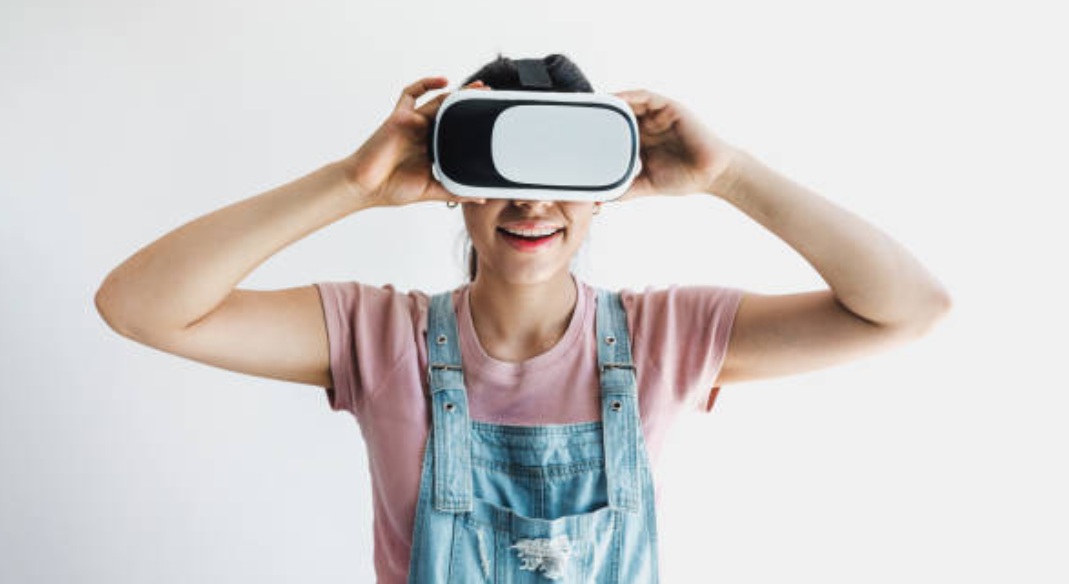
- Entertainment and Virtual Reality: The film industry and gaming have significantly benefited from 3D imaging. 3D cameras create lifelike animations and visuals, allowing for immersive experiences that engage the audience.
- Industrial and Security Uses: Imaging technologies are integral to inspection processes in manufacturing, as well as in security surveillance systems, enhancing capabilities for monitoring and maintenance.
Future Trends in Imaging Technology
As technology continues to advance, we are likely to see further innovations in imaging methods. Several emerging trends are worth noting:
- AI Integration: Artificial intelligence is increasingly playing a role in image processing, enabling better image recognition, predictive analytics, and automated editing.
- Hyper-Realistic Visuals: The push for even more realistic imagery is leading to the development of technology that combines multiple viewing angles and high dynamic ranges.
- Wearable Cameras: Devices such as smart glasses with integrated imaging capabilities are on the rise, providing users with hands-free picture-taking experiences.
Challenges in Imaging Technology
Despite the numerous advancements, challenges persist in imaging technology. Issues such as data management, privacy concerns with imaging devices, and the high cost of some advanced equipment can hinder widespread adoption. Additionally, as imaging technologies such as the 3D camera become more prolific, ensuring quality and accuracy in captured images is essential to maximize their potential.
Exploring the Impact of Imaging on Society
The influence of advancements in imaging technology extends far beyond just visual representation; it touches every aspect of our lives. From enhancing educational experiences to enabling artists to express their creativity in new ways, the impact is profound. As technology progresses, these innovations will continue to shape how we connect with the world around us, making it increasingly important to stay informed about the latest developments.
Navigating the Future of Imaging
As we look to the future, the journey of imaging technology will invariably involve a blend of innovation, creativity, and ethical considerations. Understanding the many facets of advancements in this field, from the capabilities of a 3D camera to the implications of AI-driven imaging, is essential for fostering informed exploration and usage.